
WINZ non-entitlement stand-down after unfair dismissal: when an unfair dismissal personal grievance can help waive it
Are you going to My MSD Login for a WINZ benefit? The WINZ 13 week non-entitlement stand down can be waived if you have been dismissed unfairly.
If you have been dismissed or pushed out of your job, benefit timing can matter. In some situations WINZ may impose a stand-down period, but there are ways to address that if the end of employment was not truly voluntary or was unfair.
What to do in the first week
- Get the basics in writing: ask for a termination letter or written reasons.
- Save evidence: texts, emails, and meeting notes, plus payslips and rosters.
- Raise a PG early: many personal grievances must be raised within 90 days.
If you have a MyMSD login and you are on a benefit or applying for a benefit or unemployment benefit as a result of being dismissed unfairly, we can help you.
Employee Unfair Dismissal Case Form
You have 90 days from the date of termination of employment (or when the termination or dismissal has come to your notice) to raise a personal grievance for unjustified dismissal.
If you have been dismissed unfairly then we invite you to contact us as soon as possible.
WINZ 13 week non-entitlement
Work and Income New Zealand (WINZ) may not pay you anything for a period of time if you have voluntarily become unemployed or if you have been dismissed for misconduct. This is called the non-entitlement period.
You may have been in a situation where your former employer has improperly pressured you into resigning or you have been dismissed for misconduct unfairly when you have not in fact engaged in any misconduct.
We can write to WINZ
If you have been unfairly dismissed and we are challenging the dismissal by bringing a personal grievance, we can write a letter to your WINZ case manager to request that your benefit payments commence without delay.
Need help quickly?
If you have been dismissed (or pressured to resign) and benefit timing is an issue, submit the case form with your timeline and any letters or texts.
Employee Unfair Dismissal Case FormRelated articles
Browse all articles
Medical incapacity dismissal: fair process and reasonable timeframes
Employers are not expected to keep a sick or incapacitated employee's job open for an indefinite period. The tests of fairness and reasonableness apply.

Evidence for unjustified dismissal personal grievance claims: what to collect
Unfair Dismissal and Personal Grievance cases require the employee to give evidence and provide clear and convincing proof to support their claim. Employee advice on evidence gathering.
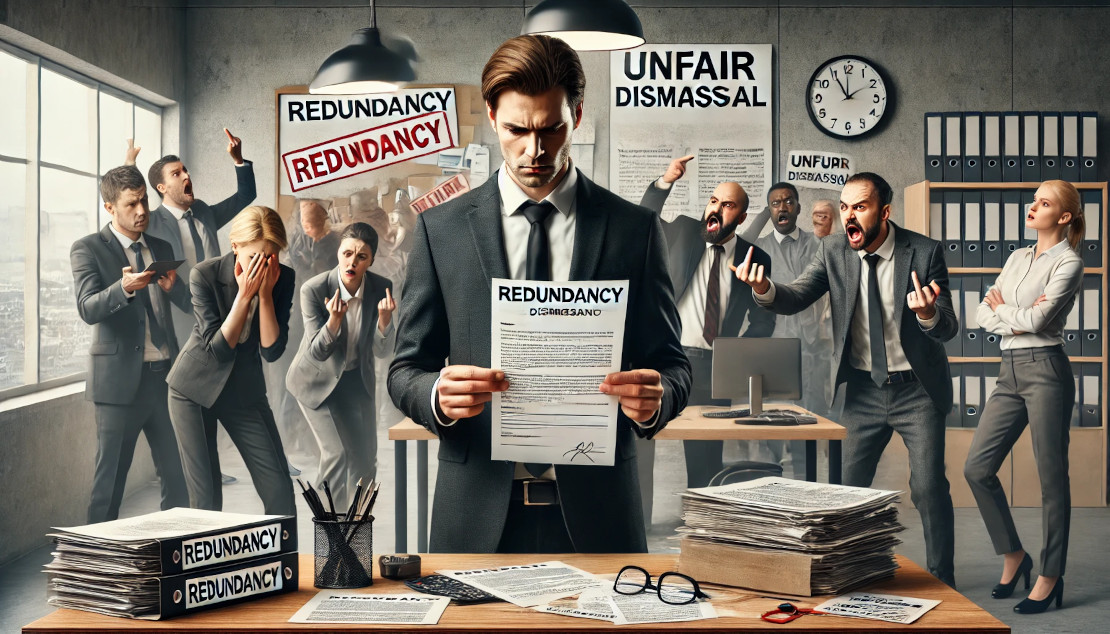
Unjustified redundancy: when redundancy becomes an unfair dismissal personal grievance
The Employment Court upheld a determination of the Employment Relations Authority that an employer pay its former employee substantial compensation for hurt and humiliation in remedy of the redundancy having been found unjustifiable.
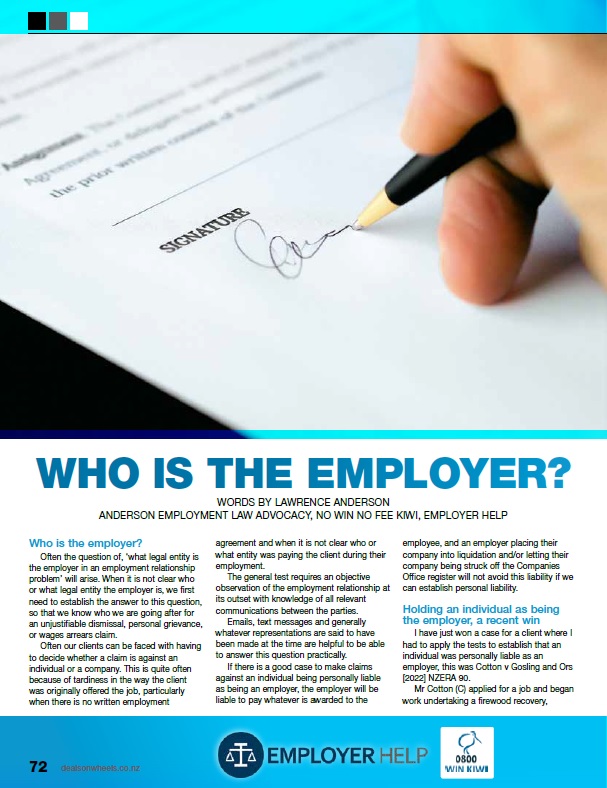
Who is the employer? identifying the true employer in NZ employment claims
Where there is confusion or ambiguity of the identity of the employer the legal test requires an objective observation of the employment relationship at its outset with knowledge of all relevant communications between employer and employee.

Recording workplace conversation in NZ: what is legal and what backfires
You do not need permission to record a conversation that you are party to but there are consequences that you may face later if you record conversations without permission.

Disciplinary meetings: employee rights and common employer mistakes
In a disciplinary meeting an employee has rights to procedural fairness and to be fairly heard. We represent employees at disciplinary meetings.